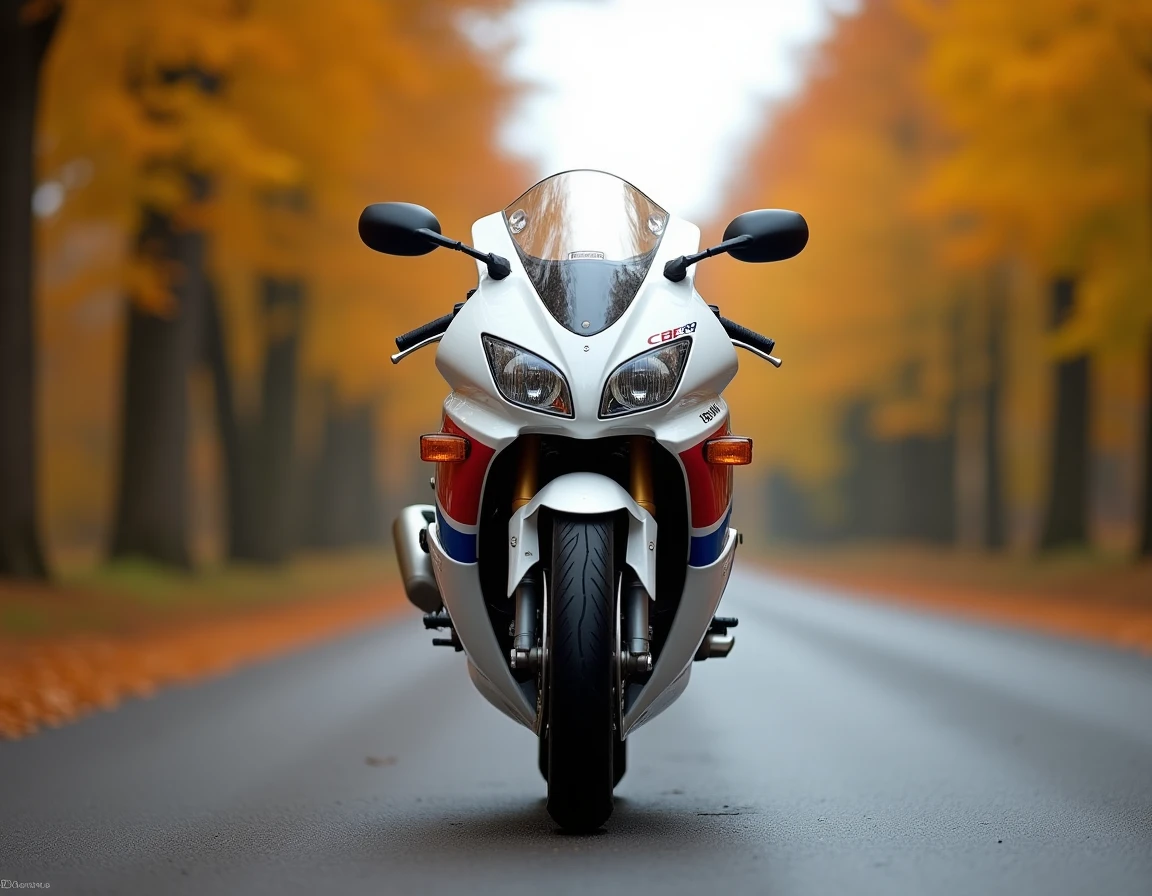
On a a hilly departmental road with a passenger and saddlebags, the Honda CBR 1000 F handles it without flinching. It is asked to do everything, and it refuses nothing. This is the reputation of this sport GT produced between 1987 and 1999, and it is also what makes buying it used so tempting, sometimes too quickly. The CBR 1000 F deserves a look beyond the displayed price to understand what it really costs once on the road.
Rear shock absorber and brake lines: the hidden budget of the CBR 1000 F
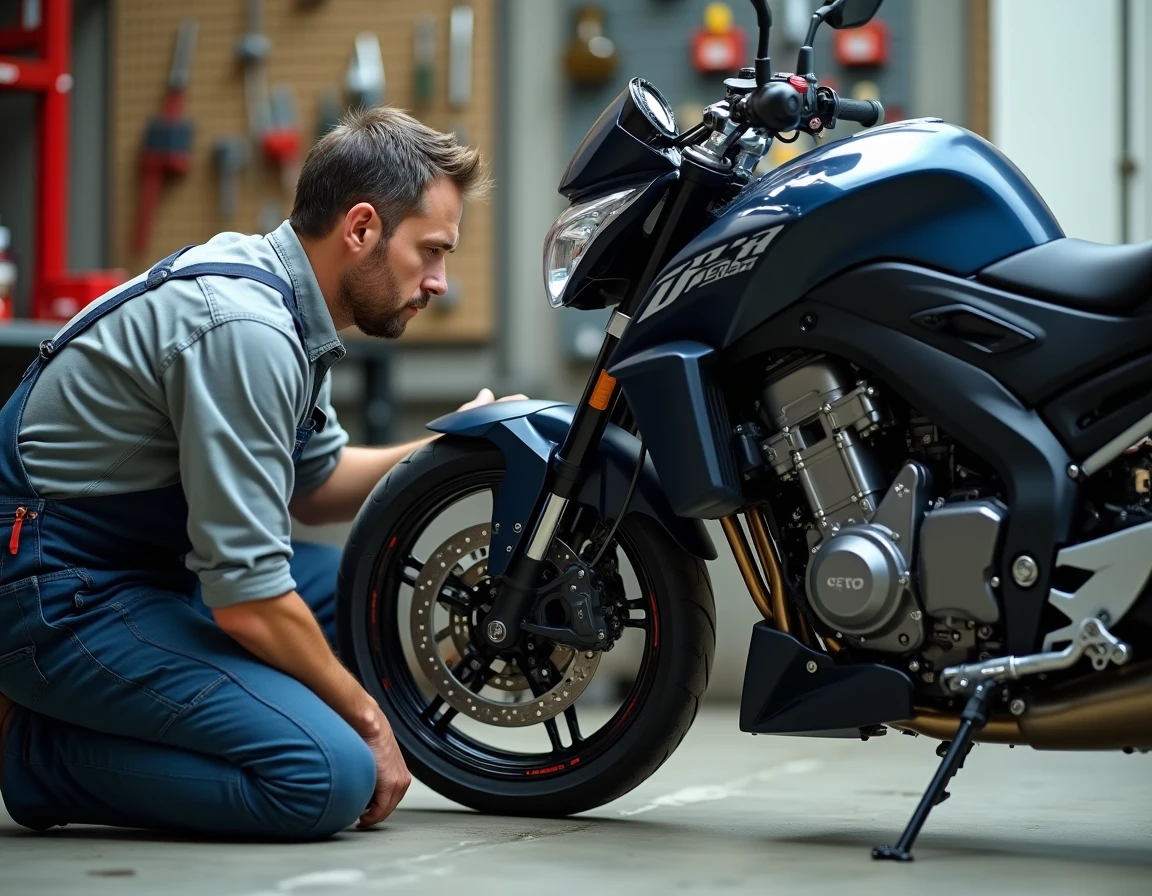
You can find CBR 1000 F models at very low prices on the used market. The problem is that the purchase price almost never reflects the actual condition of the safety components. On dedicated forums and groups, one observation keeps coming back: the rear shock absorber is often worn out, sometimes completely dead, even on examples that look clean at first glance.
The original rubber brake lines age poorly. After more than twenty years, they lose rigidity, and the feel at the lever becomes spongy. Switching to braided stainless steel brake lines is almost mandatory to regain firm braking.
Add to this the installation of quality sport-GT tires (period tires are no longer available, and a low-end tire on a bike of this weight is a bad calculation), and we arrive at a safety upgrade budget that represents a significant part of the purchase price. Before signing, it is essential to evaluate the strengths and weaknesses of the Honda CBR 1000 F to quantify this real additional cost.
Honda CBR 1000 F engine: why it lasts so long
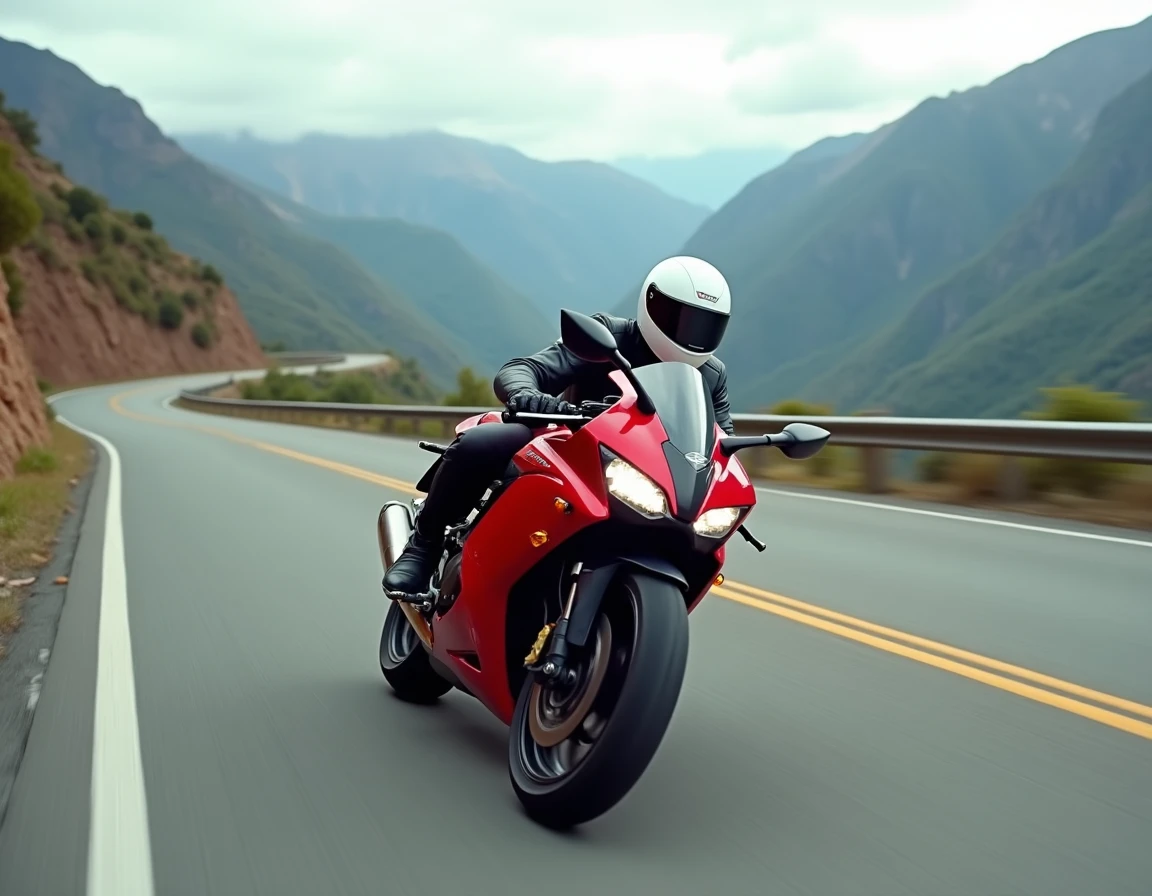
The inline four-cylinder engine of the CBR 1000 F is known for its longevity. Owners document on Facebook groups dedicated to motorcycles from the 80s-90s examples that far exceed 80,000 to 100,000 km without engine work. Regular oil changes, timely timing belt replacements, and changing consumables: with this basic program, the engine runs strong at very high mileages.
This robustness partly comes from Honda’s philosophy of the time. The engine is not pushed to its limits. Power is delivered in a linear fashion, without jolts, which limits mechanical stress. This is not a pure sportbike that requires high revs to move forward: the CBR 1000 F provides torque right from mid-range.
Routine maintenance: what to prioritize
- The chain-driven timing requires regular checking of the tensioner. A worn timing chain tensioner can cause a knocking noise when cold, a sign that intervention is needed without delay.
- The cooling system ages: rubber hoses crack, and the thermostat can stick. Overheating in the city during hot weather is the classic symptom.
- The carburetors (four bodies) require periodic synchronization. Misaligned carburetors degrade throttle response and increase fuel consumption.
- The original wiring harness, after several decades, may have oxidized connections. A thorough cleaning of the terminals prevents frustrating intermittent failures.
Road comfort and rider size: the CBR 1000 F on long trips
It is often said that the CBR 1000 F is versatile. In practice, this versatility has limits related to ergonomics. The riding position is a compromise between sporty and touring, with a slightly forward-leaning torso. For an average-sized rider, it is comfortable over several hundred kilometers.
For larger riders (over six feet two inches), feedback varies on this point. Some find the legroom sufficient due to the length of the bike, while others complain of knee pain after two hours on the road. The considerable weight of the machine is felt in low-speed maneuvers and in the city, but not on the highway where it contributes to stability.
The aerodynamic protection of the full fairing remains a real asset for long trips. The windscreen effectively deflects airflow, reducing fatigue. With a passenger, the CBR 1000 F remains stable and predictable, provided that the suspensions (especially the rear) are in good condition.
Purchase price and actual cost of a used Honda CBR 1000 F
The used market positions the CBR 1000 F among the most accessible large displacement motorcycles. It can be found at very modest prices, attracting a variety of profiles: young riders looking for their first big bike, daily commuters on a tight budget, and nostalgic fans of the 90s.
The classic trap is to compare only the purchase price with that of a Kawasaki ZX-10 or a Suzuki GSX-R 1100 from the same era. The CBR 1000 F costs less to buy, but the safety refurbishment budget can double the initial investment on a neglected example.
Items to budget before riding
- Sport-GT tires suitable for the weight of the bike: a recurring expense every few thousand kilometers depending on use.
- Aviation brake lines and new pads if the maintenance history is unclear.
- Revision or replacement of the rear shock absorber: a reconditioned shock by a specialist is cheaper than a new one, but it is a budget not to be overlooked.
- Chain-sprocket kit if the previous owner let wear go unchecked.
By adding these items, we obtain the true cost of ownership of a CBR 1000 F ready to ride safely. This calculation, done before the purchase, avoids unpleasant surprises and allows for negotiating the price with full knowledge of the facts.
The CBR 1000 F remains an endearing motorcycle, capable of covering distances without tiring its engine or its rider. Its mechanical reliability more than compensates for its age, provided that investment is made in the right areas. The right reflex is to allocate the budget saved on the purchase to the parts that ensure safety rather than riding with a worn-out shock and cracked hoses.