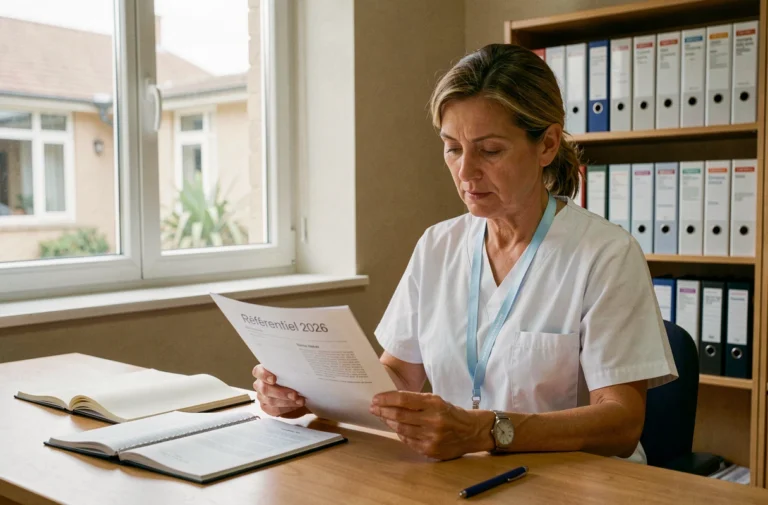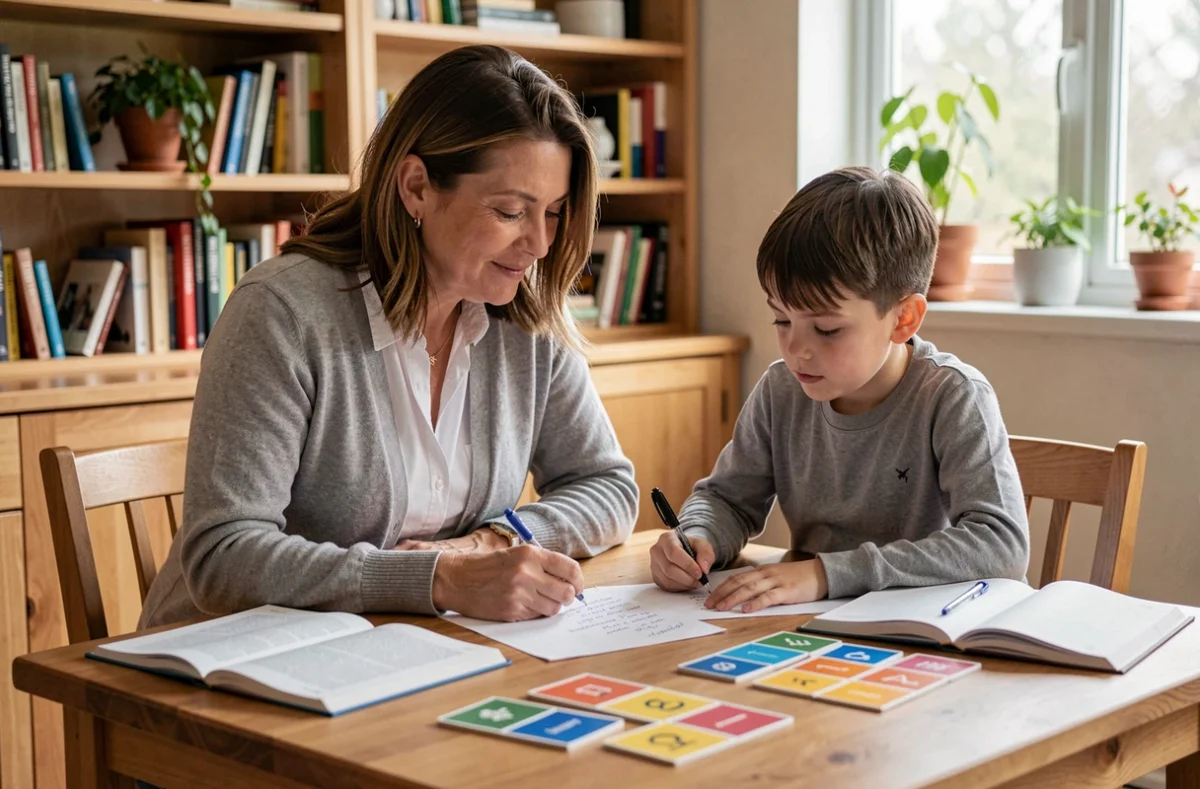
Home education (IEF) refers to the act of ensuring a child’s education outside of a school setting, under the direct responsibility of the parents. Since the start of the 2022 school year, this educational choice is no longer a simple declaration: it requires prior authorization from the academic director of national education services (DASEN), granted based on four specific reasons. Within this tightened regulatory framework, having reliable and structured resources has become a concrete challenge for families practicing home learning.
IEF Authorization since 2022: The Four Reasons to Know
The law reinforcing respect for the principles of the Republic has transformed home education into a derogatory regime. Any family wishing to educate their child at home must now justify their request to the DASEN.
The four reasons for authorization are strictly defined:
- The child’s health condition or disability, certified by a medical certificate or a document from the MDPH.
- The practice of intensive sports or artistic activities, incompatible with traditional schooling.
- The family’s itinerancy or geographical distance from a school establishment.
- A situation specific to the child, provided that the educational project presented by the family is deemed coherent and appropriate.
The number of children educated at home has significantly dropped since this reform. In 2021-2022, there were approximately 72,369 children affected. This figure fell to 30,644 in 2024-2025, representing a reduction by more than half in three years. This decline directly reflects the effect of the administrative filter imposed by the new procedure.
For families building their file, consulting all the resources on Home Educ allows them to find practical guides, educational project templates, and updated regulatory information, all gathered on one platform.
Academic Checks and Municipal Inquiry: What Families Need to Prepare
Obtaining authorization is just the first step. Two types of verification then oversee home education, and their scope goes beyond merely assessing academic results.
The Municipal Inquiry
This occurs in the first year of home education and then every two years. Its purpose is not to test the child’s knowledge. The inquiry examines the concrete living and learning conditions: the family environment, the adaptation of education to the child’s health condition, and compatibility with the household’s living conditions.
The Annual Academic Check
Conducted by the national education system, it focuses on the child’s achievements. Inspectors use individual interviews, examination of completed work, and exercises adapted to the expected level. The evaluation focuses on actual progress, not on compliance with a curriculum, but it assumes that the family can document a structured learning path.
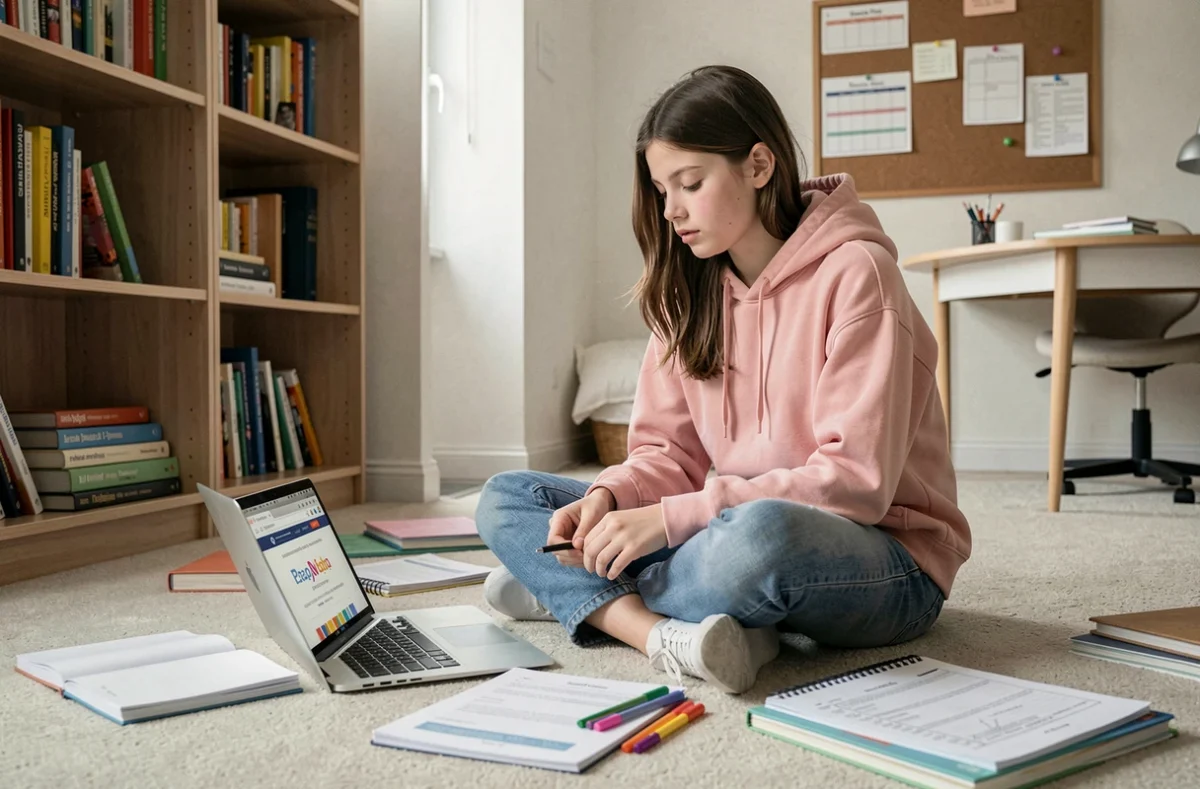
These two checks explain why the educational tools used at home must be traceable. A progress notebook, identified course materials, dated assignments: all these elements facilitate passing these verifications without unnecessary stress.
Online Educational Resources to Structure Home Learning
The choice of materials conditions the quality of education and the ability to document achievements during checks. Three categories of resources cover the essential needs.
Structured courses by educational level (from primary to high school) form the foundation. They allow for a coherent progression in French, mathematics, or sciences, even without teaching training. Some platforms offer complete courses with integrated assessments, making it easier to track progress.
Active pedagogy tools (manipulations, experiments, thematic projects) complement traditional lectures. They are particularly suited for primary school children, for whom learning by doing enhances memorization and engagement in activities.
Evaluation and tracking materials (competency grids, logbooks, summary sheets) meet a specific need of IEF: providing tangible proof of progress during the annual academic check.

Refusal of IEF Authorization: The Administrative Appeal Procedure
A refusal of authorization does not mean the end of the project. The regulations provide for a mandatory prior administrative appeal (RAPO), a necessary step before any referral to the administrative court.
This appeal is addressed to the competent academic commission. The family must contest the decision by providing additional elements: a revised educational project, missing supporting documents, or a more detailed argumentation on the invoked reason.
If the RAPO results in a second refusal, the family can then initiate a contentious appeal before the administrative court. The appeal deadlines are regulated, and the quality of the initial file plays a decisive role in the outcome of the procedure.
This avenue of contestation remains little known to families discovering IEF. Having templates for letters and adapted legal guides represents a considerable time-saving in a situation where deadlines matter.
Pedagogical Flexibility and Legal Framework: A Balance to Maintain
Home education offers real flexibility in choosing methods, rhythms, and materials. However, this pedagogical freedom is still bounded by the obligation of results assessed each year by the national education system.
The current framework pushes families to professionalize their approach: planning learning, documenting progress, archiving work. The flexibility of IEF does not exempt one from rigorous organization; it simply makes it different from that of a school establishment.
Families that succeed in maintaining this balance generally rely on a set of complementary resources: online courses, communities of parents practicing IEF, and tracking tools adapted to distance learning. The legal framework, however constraining it may be, has the merit of clarifying what is expected and providing a common reference for assessing the quality of education provided at home.