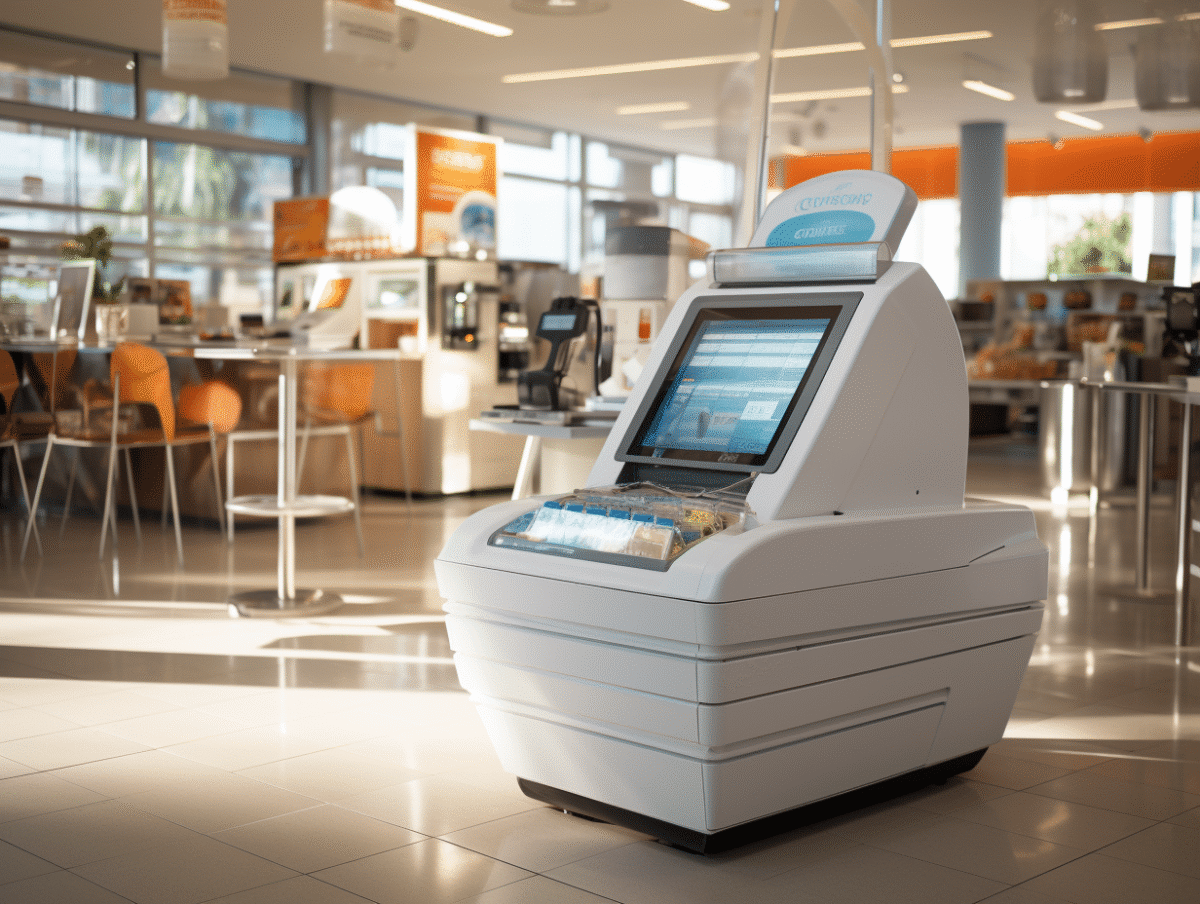
In the world of gas stations, the transition of payment methods has followed technological evolution and consumer expectations. In the past, cash was king, requiring drivers to always carry a well-stocked wallet. Then, checks came along to offer a credible alternative, although their processing was more cumbersome. Credit cards revolutionized this dynamic, bringing unprecedented convenience and transaction speed. Today, these establishments embrace increasingly innovative solutions, such as mobile and contactless payments, reflecting the sector’s constant adaptability to changing needs.
Traditional Payment Methods in Gas Stations
Cash payment, an ancestral mode of commercial exchange, remains a standard in gas stations, particularly among independent ones. These stations, rooted in a local commercial tradition, maintain this option for users resistant to banking technologies or simply inclined to use cash. Esso gas stations, while part of a large chain, also preserve the use of cash, demonstrating the persistence of this method in a constantly evolving sector.
With the advent of bank cards, debit or credit, the financial landscape of gas stations has diversified. These payment tools, offering increased security and undeniable convenience, have quickly established themselves as the norm. Their acceptance is now widespread, allowing drivers to pay for their purchases without worrying about the constraints of carrying cash. Moreover, the distinction between debit cards and credit cards has become clearer, addressing varied financial needs and providing consumers with flexibility in managing their expenses.
Despite the predominance of bank cards, some gas stations accepting checks persist. The presence of this option tends to decline, as checks often require longer processing times and involve increased risks of non-payment. Practical tips are provided to secure these transactions, but the general direction of the sector suggests a gradual decline of checks in favor of more modern and efficient means.
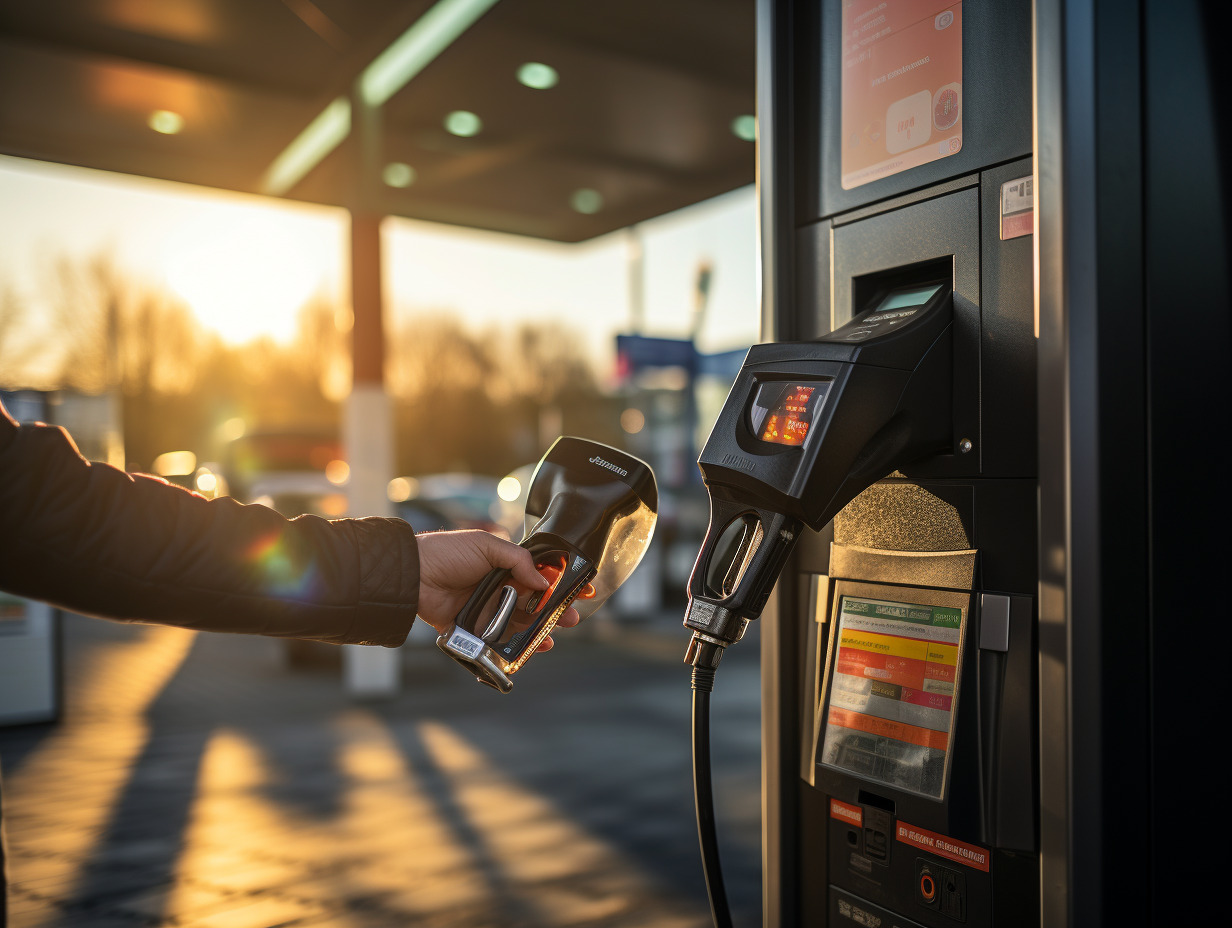
The Evolution of Payments: From Credit Cards to Digital Solutions
The digital revolution has transformed payment methods in gas stations. Companies like TotalEnergies are advancing on the innovation front by offering alternatives to traditional instruments. These aim to reduce the bank fees often associated with credit cards and to address the drawbacks of a potential card opposition in case of loss or theft.
Mobile payment is gaining ground by offering a practical and secure solution. As contactless technology becomes prevalent, dedicated mobile payment applications simplify transactions and promise benefits such as cashback, a money-back practice that is beginning to take root in French consumer habits.
Recurring payments, often synonymous with subscriptions, are also facilitated by these new technologies that allow for real-time management and control of expenses. The user, now connected, benefits from a clear and instant view of their financial movements, giving them increased control over their transactions.
Beyond borders, payment methods in the USA, where the market is eager for innovations, influence global trends. American payment solutions, combining flexibility and loyalty points, inspire the European oil sector to adopt similar models, thus enriching the payment ecosystem in gas stations.