
Which video games deserve your time this fall 2026? With highly anticipated AAA releases, a European regulatory framework reshaping age classifications, and a global market hitting record revenue, the criteria for spotting the best video games of the moment are no longer limited to just the reviews from specialized press.
PEGI Classification and Loot Boxes: What Changes for Video Games in 2026
Since June 2026, the European PEGI system has integrated new parameters into its evaluations. Daily reward systems, paid loot boxes, and online chat moderation now weigh in on determining the recommended age.
The most telling case remains EA FC 27. The game moved from PEGI 3 to PEGI 16 solely due to its random pack mechanics. No change in violent content, no modification of gameplay: only monetization triggered this increase.
PEGI indicates that one third of games on the market could be affected by this type of reclassification. For players, this means that a title labeled PEGI 16 or 18 does not necessarily contain explicit violence. It may simply offer random purchases.
Another notable rule: any game incorporating NFTs or cryptocurrencies is classified PEGI 18, even without shocking content. Video game enthusiasts who follow web3 trends and reference them on coolgame.fr should keep this point in mind before making any purchases.
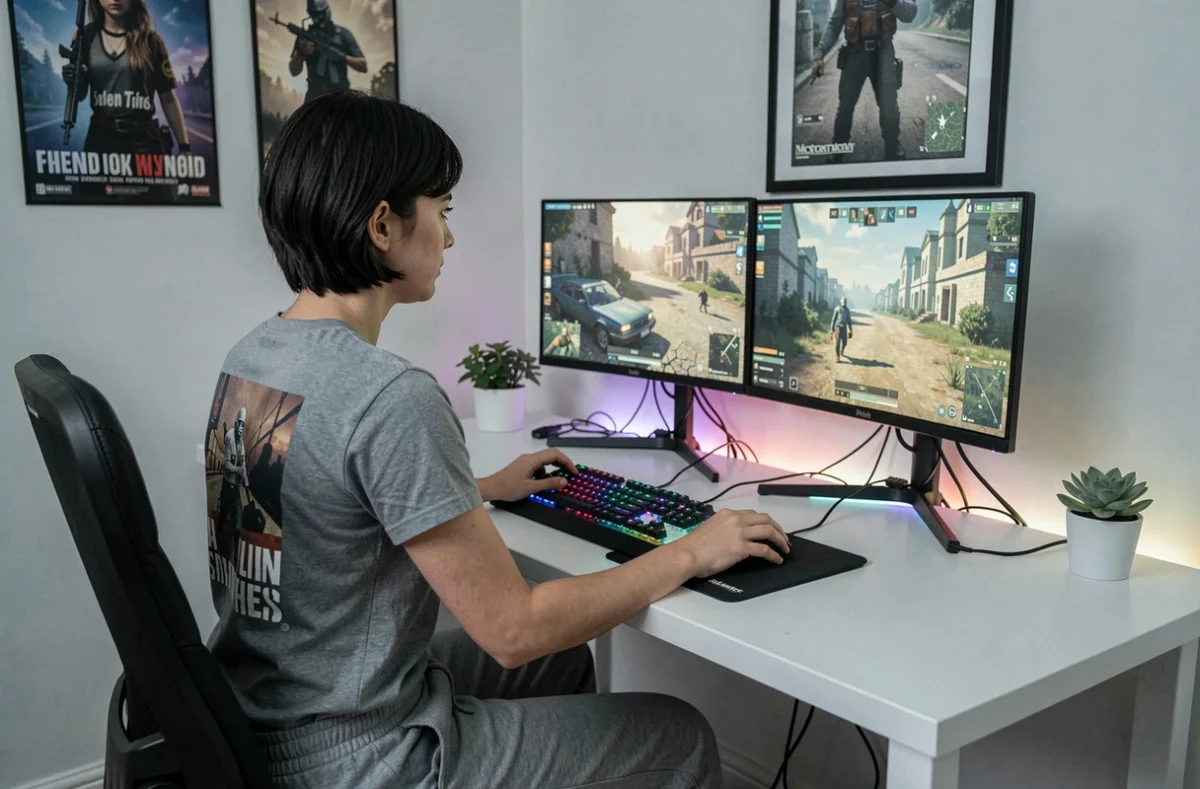
Video Game Releases Fall 2026: Comparative Table of Anticipated Titles
Among the most talked-about new releases of September 2026, several titles stand out by their genre, platform, and positioning. The table below allows for a comparison of the major releases during this period.
| Title | Genre | Platforms |
|---|---|---|
| The Blood of Dawnwalker | Action-RPG, dark fantasy | PC, PS5, Xbox Series |
| Marvel’s Wolverine | Action-Adventure | PS5 |
| Fire Emblem: Fortune’s Weave | Tactical-RPG | Nintendo |
Action-RPG vs Tactical-RPG: Two Approaches to Solo Video Gaming
This fall pits two philosophies of game design against each other that target very different player profiles.
On one side, open-world action-RPGs like The Blood of Dawnwalker focus on free exploration, cinematic storytelling, and real-time combat. This model, popularized by the Witcher series, relies on dozens of hours of content and colossal development budgets. The developer must deliver a believable world, substantial side quests, and a progression system that holds up over time.
In contrast, Fire Emblem: Fortune’s Weave represents the tactical-RPG school championed by Nintendo. The pace is slower, each decision carries more weight, and replayability comes from team management rather than map size. This type of video game attracts players who prefer strategy over pure action.
- The Blood of Dawnwalker targets fans of narrative dark fantasy with an open world to explore for dozens of hours
- Fire Emblem: Fortune’s Weave appeals to tactical players who value turn-based positioning and character management

Global Video Game Market 2026: The Numbers Behind the Releases
The economic context of this fall directly impacts the nature of the games offered. The global video game market is hitting record revenues in 2026, notably driven by the release of GTA 6, described by several analysts as an event capable of lifting the entire industry.
This concentration of sales around a few mega-productions creates a paradox. Publishers are investing heavily in AAA titles while reducing risks on more modest projects. Independent studios, on the other hand, occupy the niches left vacant by the big publishers.
The industrial model of video games is cracking despite record revenues. Massive layoffs in several major studios coexist with historic profits for the most established publishers. For players, this translates to AAA releases being spaced out but more ambitious, and an increasingly rich indie catalog between two major installments.
What This Changes for Choosing Your Games
A player looking for the best video games of the moment benefits from looking beyond just the big releases. Mid-range titles, often developed by mid-sized studios, offer complete experiences without the monetization mechanics that now trigger PEGI reclassifications.
Checking the PEGI classification before purchase becomes a relevant reflex, not only to protect the younger audience but also to assess the economic model of a game. A PEGI 3 title in 2026 signals the absence of loot boxes and aggressive reward systems, which in itself is an indicator of the quality of the gaming experience offered.